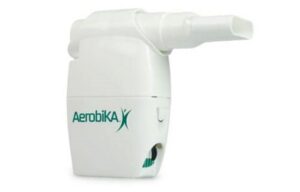
When someone is living with a chronic lung condition, thick mucus can make every breath feel harder than it should. Aerobika is a small handheld device designed to help loosen mucus, make it easier to cough up, and support clearer airways at home or in hospital settings across Australia.
They might hear about it from a GP, respiratory physician, physiotherapist, or pulmonary rehabilitation team. The key idea is simple: it adds resistance and gentle vibration during breathing out, which helps shift mucus from the smaller airways to the larger ones where it is easier to clear.
What is an Aerobika device?
An Aerobika device is an oscillating positive expiratory pressure (OPEP) device used to support airway clearance. In plain terms, it helps create back pressure and airflow vibrations when they breathe out through it, which can help move mucus.
Aerobika is commonly used by people with conditions that cause ongoing mucus build-up, especially when daily airway clearance is part of their management plan.
How does Aerobika clear mucus?
It clears mucus by combining two effects during exhalation: positive pressure and oscillation. Positive pressure helps keep airways more open, while oscillation creates vibrations that can loosen mucus from airway walls.
With Aerobika, they usually follow a set of breaths and then cough or “huff” to bring mucus up. Over time, that routine can reduce the feeling of congestion and improve the ease of breathing for many people.
What does OPEP actually mean in practice?
OPEP means they breathe out against resistance and feel a pulsing or fluttering sensation. That sensation is the oscillation, and the resistance creates positive expiratory pressure.
In practice, it feels like controlled breathing out through a mouthpiece rather than forceful blowing. Aerobika is designed so they can adjust the resistance setting, often guided by a clinician.
Who typically uses Aerobika in Australia?
They may be advised to use it if they have difficulty clearing mucus due to chronic respiratory disease. It is commonly discussed in airway clearance plans in Australian outpatient respiratory clinics and pulmonary rehabilitation programs.
People with bronchiectasis, COPD with chronic bronchitis features, or cystic fibrosis may be introduced to Aerobika, depending on clinician preference and the person’s needs.
What conditions can Aerobika help with?
It is most often used in conditions where mucus retention is a recurring problem. That includes bronchiectasis, COPD with regular sputum, and some neuromuscular or post-surgical situations where airway clearance is reduced.
A clinician may recommend Aerobika during flare-ups, after chest infections, or as part of a long-term routine, especially when they notice morning mucus or frequent productive coughing.
Is Aerobika the same as a puffer or nebuliser?
No. A puffer delivers medication into the airways, and a nebuliser turns liquid medicine into a mist to inhale. An OPEP device supports the physical clearance of mucus through breathing techniques.
They may use Aerobika alongside inhalers or nebulised medications, often with timing planned so mucus loosens and clears more effectively.
How is Aerobika different from other airway clearance devices?
The main difference is the way the device creates oscillation and how adjustable it is. Some devices rely on a metal ball and gravity position, while others use internal valves.
Aerobika is often described as easy to use in different positions because it is not dependent on being held at a precise angle. That can matter for people who get breathless or fatigued during therapy.
Other Resources : Key Differences Between EverFlo and Other Stationary Concentrator Models
How do they use Aerobika step by step?
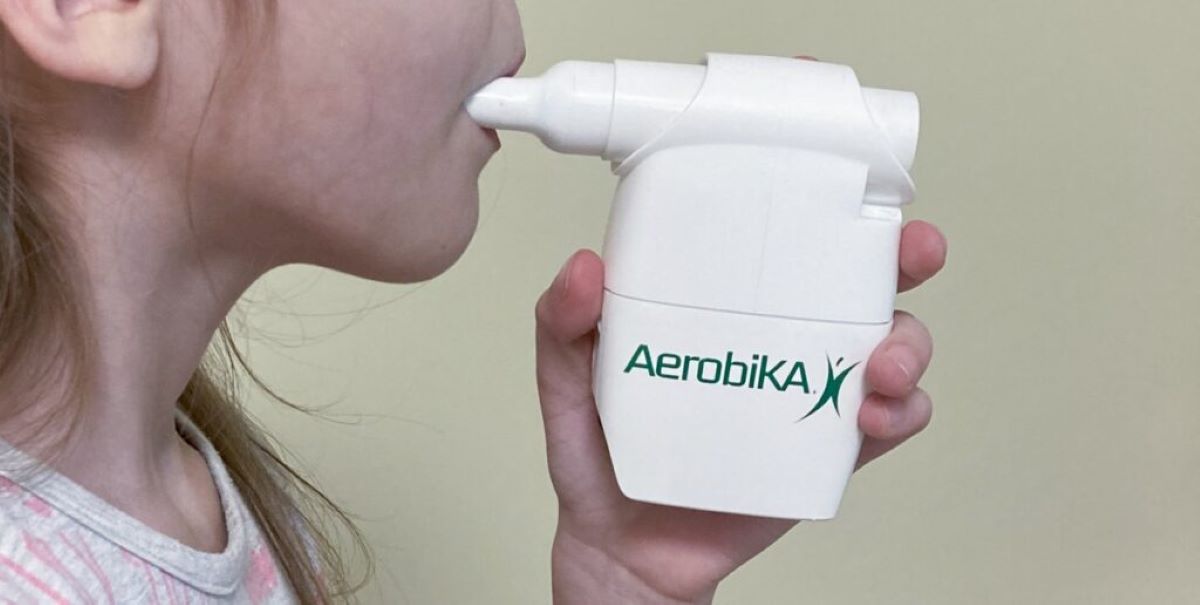
They typically sit upright, seal lips around the mouthpiece, breathe in a little deeper than normal, then breathe out steadily through the device. The exhale is active but not a hard blast, aiming for a consistent flow.
A common routine with Aerobika is a set of breaths, then a huff cough, repeated for several cycles. Their physiotherapist may tailor the number of breaths and cycles to match symptoms and tolerance.
What is a “huff” and why is it paired with Aerobika?
A huff is a forced exhale with an open throat, like fogging a mirror, used to move mucus without the strain of repeated hard coughing. It helps shift mucus from larger airways into the mouth.
After using Aerobika, mucus is often better mobilised, so a huff can be more productive and less exhausting than coughing alone.
How long should a session take?
Many people complete a session in about 10 to 20 minutes, but this can vary with their condition, daily mucus volume, and fatigue levels. Some do shorter sessions more than once a day, especially during infections.
Their clinician may suggest using Aerobika in the morning to clear overnight mucus, and again later if symptoms build through the day.
When is the best time to use Aerobika?
Timing depends on their medication plan and how their symptoms behave. Some people use it after a bronchodilator to open the airways first, which can make clearance easier.
If they use nebulised saline or other prescribed inhaled therapies, a clinician may recommend Aerobika afterward to help clear loosened secretions. They should follow their Australian care team’s instructions.

What benefits might they notice with Aerobika?
They may notice mucus is easier to bring up, chest tightness reduces, and breathing feels less “blocked.” Some people report fewer coughing fits because mucus is cleared more efficiently.
Over weeks, regular Aerobika use may support better day-to-day symptom control for those who need airway clearance, though individual results vary and depend on correct technique.
Are there side effects or risks they should know about?
Some people feel lightheaded if they breathe too fast or too forcefully, especially early on. Others may cough more during sessions, which is often expected if mucus is moving, but it should not feel unsafe or unmanageable.
They should stop and seek advice if Aerobika use causes chest pain, significant shortness of breath, or coughing blood. In Australia, they can contact their GP, respiratory clinic, or seek urgent care if severe.
Who should avoid using Aerobika without medical advice?
They should get clinician guidance if they have a recent pneumothorax, significant haemoptysis, unstable cardiac conditions, or recent thoracic surgery unless specifically cleared. These situations can change what airway clearance methods are appropriate.
A respiratory physiotherapist can confirm whether Aerobika is suitable and how to use it safely within a broader treatment plan.
How do they clean and maintain Aerobika?
Most users clean it regularly with warm soapy water and allow it to air dry fully before reassembly. Some may disinfect it periodically as advised by the manufacturer or their clinic, especially after respiratory infections.
Because Aerobika is a reusable device, routine cleaning matters for hygiene and performance. If they are immunocompromised or have complex lung disease, their Australian care team may recommend a stricter cleaning schedule.
Do they need a prescription in Australia?
In Australia, they may be able to purchase an OPEP device through pharmacies, medical suppliers, or via a hospital clinic, with or without a prescription depending on the supplier. Even if it is easy to buy, correct setup and technique are still important.
A referral to a respiratory physiotherapist can help ensure Aerobika is the right choice and that the resistance setting and routine match their diagnosis and goals.
How do they know if Aerobika is working?
A practical sign is that mucus becomes easier to clear and breathing feels less congested afterward. They may also notice improved sputum clearance in the morning, less rattly breathing, or fewer “stuck” coughs.
If there is no change after consistent Aerobika use with good technique, they should check in with their clinician. The issue may be resistance settings, timing with medications, hydration, or whether a different airway clearance approach is needed.
Can Aerobika be used with other airway clearance techniques?
Yes, it is often combined with breathing strategies, positioning, or exercise-based clearance. Their physiotherapist might pair it with active cycle of breathing techniques, postural drainage if appropriate, or a walking routine to help ventilation.
Aerobika can also be one part of an action plan during flare-ups, alongside prescribed antibiotics or inhaled therapies, depending on their Australian clinician’s advice.
What should they ask their GP or physio before starting?
They should ask whether airway clearance is recommended for their specific diagnosis, how often to do it, and what technique markers to watch for. They can also ask what “good effort” feels like, so they do not blow too hard and fatigue themselves.
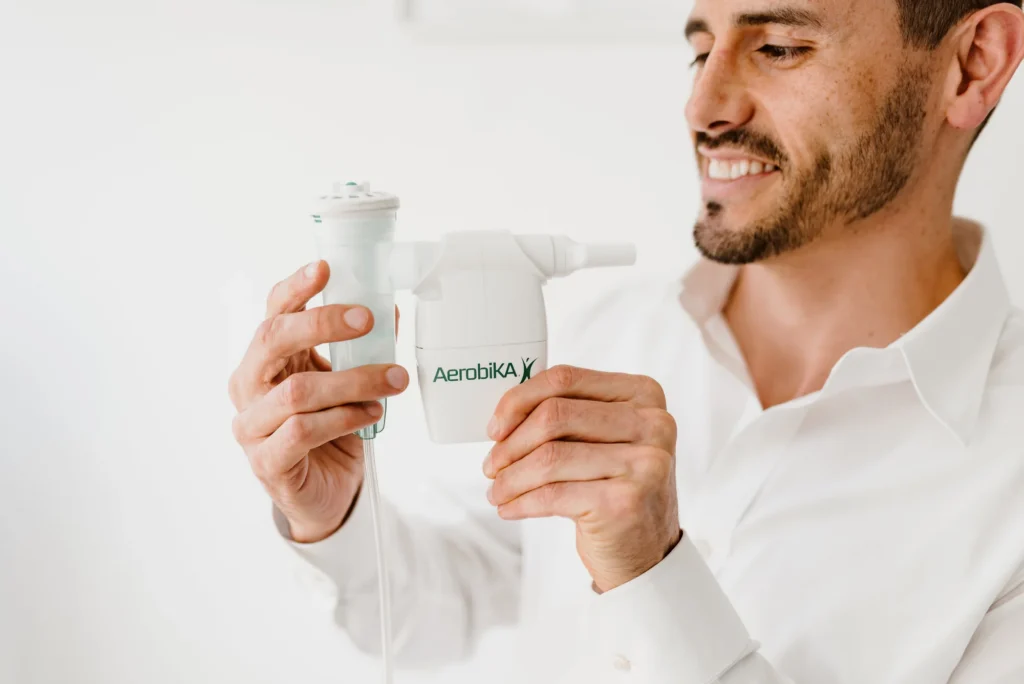
It can help to ask for a technique check with Aerobika, including resistance setting, breathing pace, and how to huff effectively. A brief review can make a big difference to results.
What is the takeaway on Aerobika and mucus clearance?
Aerobika helps clear mucus by creating positive pressure and gentle oscillation during exhalation, making secretions easier to move and cough up. For Australians managing chronic mucus-related lung conditions, it can be a practical, clinician-guided tool within a broader respiratory care plan.
They should use it with the right technique, keep it clean, and seek personalised advice from their GP or respiratory physiotherapist to ensure it fits their needs and is used safely.