

This guide explains what codependency in everyday relationships can look like, how it feels day to day, and what healthier patterns tend to look like instead.
What is codependency, in plain language?
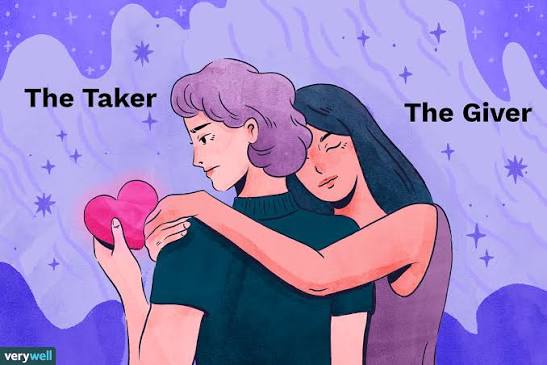
Codependency is a relationship pattern where someone’s sense of safety or self-worth becomes tightly tied to another person’s mood, approval, or needs. They may overfunction, rescue, or people-please, even when it costs them time, money, sleep, or peace.
In codependency in everyday relationships, the relationship can start to revolve around keeping things “okay” rather than being honest.
What does codependency look like in a couple relationship?
It often looks like one partner managing the emotional weather for both people. They might feel responsible for preventing arguments, smoothing over problems, or keeping their partner stable.
In codependency in everyday relationships, they may cancel plans, hide feelings, or accept behaviour they dislike because the alternative feels like rejection, abandonment, or chaos.
What does it look like in friendships?
It can look like a friendship where one person is always the therapist, fixer, or emergency contact. They might feel needed, but also drained, resentful, or anxious if they do not respond immediately.
With codependency in everyday relationships, the friendship can become one-sided, where support rarely flows both ways and boundaries feel “selfish.”
What does it look like in family relationships?
In families, it can show up as taking on a parent’s emotions, mediating between relatives, or feeling like it is their job to keep everyone happy. They may be the reliable one who never “causes trouble,” even when they are overwhelmed.
In codependency in everyday relationships, family roles can become fixed, like the peacemaker, the carer, or the one who always gives in.
What does it look like at work or in professional relationships?
At work, codependency can look like over-responsibility and difficulty saying no. They might cover for colleagues, take on extra shifts, or tie their worth to being indispensable, even when they are burning out.
In Australian workplaces, codependency in everyday relationships can hide behind being “a team player,” while their own needs keep getting pushed aside.
What are the most common everyday behaviours to watch for?
The behaviours tend to be subtle and repetitive rather than dramatic. They may not realise it is a pattern until they feel exhausted or stuck.
Common signs of codependency in everyday relationships include:
- Saying yes while feeling resentful
- Apologising to keep the peace, even when they did nothing wrong
- Monitoring another person’s mood and adjusting their behaviour
- Feeling guilty for having needs or limits
- Avoiding conflict at any cost
- Trying to “earn” love through effort, favours, or fixing
How do boundaries show up when codependency is present?
Boundaries often feel unclear, negotiable, or unsafe. They might share too much too soon, tolerate disrespect, or feel responsible for another person’s choices.
In codependency in everyday relationships, they may set a boundary and then walk it back quickly because the discomfort, guilt, or backlash feels unbearable.
What does communication sound like day to day?
Communication can become indirect, cautious, or filled with hints when someone is worried about rejection or conflict. Healthy communication in relationships involves expressing needs clearly rather than constantly filtering what they say out of fear of being “too much” or causing tension.
With codependency in everyday relationships, they may use softeners like “It’s fine” or “Don’t worry about it,” while quietly hoping the other person will notice and change.
What role does control play, even if it looks like care?
Control in codependency often wears a caring mask. They may micromanage routines, finances, emotions, or decisions because it feels safer than uncertainty.
In codependency in everyday relationships, they might believe they are helping, but the deeper driver is often anxiety: “If they are okay, then everything is okay.”
How does codependency affect mental health and stress levels?
It often creates chronic stress because their nervous system stays on alert for changes in the other person. They may feel tense, overthink texts, struggle to sleep, or feel sick before hard conversations.
Over time, codependency in everyday relationships can contribute to anxiety, low mood, loss of identity, and a sense that life is happening “around” them rather than with them.
How can someone tell the difference between support and codependency?
Support usually feels chosen, balanced, and sustainable. Codependency usually feels compulsory, unbalanced, and tied to fear, guilt, or obligation.
A simple check for codependency in everyday relationships is this: if helping someone repeatedly requires self-abandonment, secrecy, or ongoing resentment, the pattern may have crossed the line.
What does codependency look like when one person struggles with addiction or mental health issues?
It can look like covering up consequences, making excuses, paying debts, calling in sick on their behalf, or repeatedly rescuing them from outcomes. They may feel terrified that setting limits will make things worse.
In codependency in everyday relationships, love can become tangled with managing, monitoring, and preventing collapse, rather than relating as two separate adults.
What does “walking on eggshells” mean in everyday life?
It means they constantly scan for cues to avoid triggering anger, withdrawal, or criticism. They might change their tone, hide opinions, or over-explain choices to prevent conflict.
In codependency in everyday relationships, eggshell-walking can become normal, until they realise they have not relaxed in the relationship for months or years.
Why do people stay in codependent patterns?
They often stay because the pattern can feel familiar, especially if they grew up around emotional unpredictability, conflict, or caretaking roles. They may also confuse intensity with love, or believe they must “prove” their loyalty.
In codependency in everyday relationships, leaving the pattern can feel like betraying someone, even when the relationship is hurting them.
What are healthier alternatives that still feel caring?
Healthier care is clear, mutual, and boundaried. They can be loving without overfunctioning, and supportive without taking responsibility for another person’s emotions or choices.
In codependency in everyday relationships, healthier alternatives can look like:
- Asking, “Do they want advice or just listening?”
- Setting time limits on emotionally heavy conversations
- Letting natural consequences happen
- Making requests directly, without hints or guilt
- Keeping their own friendships, hobbies, and routines
What practical steps can they take if they recognise these patterns?
They can start small and focus on what they control. That usually means boundaries, language, and self-trust, not changing the other person.
Helpful first steps for codependency in everyday relationships include:
- Writing down their non-negotiables (sleep, privacy, finances, respect)
- Practising one clear “no” each week without over-explaining
- Pausing before rescuing and asking, “Is this mine to carry?”
- Noticing guilt without obeying it
- Building support outside the relationship, like trusted friends or community groups
When should they consider professional support in Australia?
They may consider support if the pattern feels entrenched, unsafe, or linked to trauma, addiction, or ongoing distress. A GP can be a practical first step in Australia, with options like a Mental Health Treatment Plan for Medicare-subsidised sessions with a psychologist.
For codependency in everyday relationships, many people also find support through relationship counselling, peer groups, or services such as Lifeline (13 11 14) in a crisis.

What does a healthier relationship feel like over time?
It tends to feel steadier and more spacious, especially when families have access to support for families of addicts and practical guidance. They can disagree without panic, set limits without punishment, and feel like themselves without constantly performing or managing another person’s behaviour.
As codependency in everyday relationships eases, they usually notice more calm, clearer choices, and relationships that run on honesty rather than fear.
FAQs (Frequently Asked Questions)
What is codependency in everyday relationships?
Codependency in everyday relationships is a pattern where a person’s sense of safety or self-worth becomes closely tied to another person’s mood, approval, or needs. It often involves overfunctioning, rescuing, or people-pleasing behaviors that come at the cost of one’s own time, peace, or well-being.
How can codependency manifest in couple relationships?
In couples, codependency often appears as one partner managing the emotional atmosphere for both, feeling responsible for preventing conflicts, smoothing problems, and keeping their partner emotionally stable. This might lead them to cancel plans, hide feelings, or tolerate behaviors they dislike out of fear of rejection or chaos.
What are common signs of codependency in friendships?
Codependent friendships may involve one person acting as the constant fixer or therapist, feeling needed but also drained and anxious if they don’t respond immediately. Such friendships tend to be one-sided with support rarely flowing both ways and boundaries being labeled as ‘selfish’ when set.
How does codependency show up in family relationships?
In families, codependency can look like taking on a parent’s emotions, mediating family conflicts, or feeling responsible for keeping everyone happy. Individuals may adopt fixed roles such as the peacemaker or carer who avoids causing trouble even when overwhelmed.
What behaviors indicate codependency at work or in professional settings?
At work, codependency may present as over-responsibility and difficulty saying no. People might cover for colleagues, take extra shifts, or tie their self-worth to being indispensable while neglecting their own needs and risking burnout.
How can someone differentiate between healthy support and codependent behavior?
Healthy support feels chosen, balanced, and sustainable. In contrast, codependent behavior feels compulsory and unbalanced, driven by fear, guilt, or obligation. If helping someone repeatedly requires self-abandonment, secrecy, or causes ongoing resentment, it likely crosses into codependency.