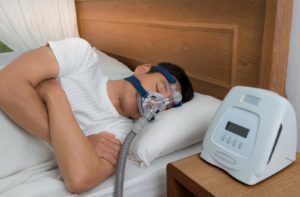
For many Australians using oxygen therapy at home, sleep is the real test. The main concern is simple: will the unit’s sound keep them or their partner awake?
This guide explains typical noise levels, what the sound actually feels like at night, and how to set up a bedroom so an EverFlo oxygen concentrator during sleep is as unobtrusive as possible.
How loud is an EverFlo oxygen concentrator during sleep in real terms?
Most users describe it as a steady, low mechanical hum rather than a sharp or piercing noise. In a quiet bedroom at night, it is usually noticeable at first, then easier to tune out once they settle.
For context, it is often compared to a small fan, a desktop computer, or soft white noise. The key point is consistency: an EverFlo oxygen unit during sleep tends to sound steady, not unpredictable.
What does the noise actually sound like at night?
The sound is typically a blend of airflow and compressor vibration. Instead of a loud “buzz,” it is more like a smooth “whoosh-hum” that sits in the background.
Some people notice gentle changes in tone as the unit cycles and regulates flow. That can stand out in very quiet Australian homes, especially in newer builds with hard floors and minimal soft furnishings.
Will an EverFlo oxygen concentrator during sleep wake a partner?
It can, but placement and room acoustics usually matter more than the raw sound. If the machine is right beside the bed, a partner may focus on it and find it annoying.
When the unit is positioned thoughtfully and the room absorbs sound, many couples find an EverFlo oxygen concentrator during sleep becomes less disruptive than expected. A partner who already sleeps with a fan often adapts quickly.
Does distance from the bed reduce the perceived loudness?
Yes, and it is one of the simplest fixes. Even moving the unit a couple of metres away can reduce how direct the sound feels at the pillow.
In Australian bedrooms, a common approach is placing the concentrator near the door or along the far wall, then using appropriately sized oxygen tubing for the distance. This can make an EverFlo oxygen concentrator during sleep feel more like background noise than a bedside device.
Do floors, walls, and room furnishings change how loud it seems?
Absolutely. Hard surfaces reflect sound, while soft materials absorb it. Bedrooms with timber floors, bare walls, and minimal curtains can make the hum seem louder.
Adding a rug, heavier curtains, or even a fabric-upholstered chair can soften reflections. In many Australian rentals, small changes like a rug beside the bed can noticeably reduce how prominent an EverFlo oxygen concentrator during sleep feels.
Can vibration make an EverFlo seem louder than it is?
Yes. Sometimes the “noise” is actually vibration transferring into furniture or flooring. If the unit sits on a hollow bedside table or directly on timber boards, the sound can amplify.
A stable, solid surface often helps. Many users place a thin vibration-damping mat underneath so an EverFlo oxygen concentrator during sleep produces less rattle and less “room buzz.”

Is an EverFlo oxygen concentrator during sleep louder as it ages?
It can be, especially if maintenance is missed. Dust buildup, restricted airflow, or worn internal components may increase perceived noise.
If the sound changes suddenly, becomes harsher, or starts clicking, it is worth having the supplier check it. In Australia, they can contact their oxygen provider or a qualified technician rather than trying to open the unit themselves.
Does flow rate affect how loud it is at night?
Often, yes. Higher prescribed flow can increase airflow noise and make the unit work harder, which may slightly raise the overall sound.
That said, the medical prescription should not be adjusted just to reduce noise. If an EverFlo oxygen concentrator during sleep seems unusually loud at a normal flow setting, it is usually better to check filters, placement, and servicing rather than changing therapy settings.
Can tubing or the nasal cannula create extra noise during sleep?
Yes, and this is frequently overlooked. Cannulas can hiss if the connection is loose, if the tubing kinks, or if there is a small leak at the join.
They can also create “rustle noise” if the tubing drags across bedding as they turn. Securing tubing with a soft clip or routing it along the bedhead can make an EverFlo oxygen concentrator during sleep noticeably quieter in practice.
What bedroom setup helps reduce noise the most?
Small practical choices usually deliver the biggest improvement quickly. The goal is to reduce vibration, soften reflections, and keep the sound from being “right at the ear.”
A simple setup that often works in Australian homes includes:
- Place the unit on a solid surface, not a hollow bedside table.
- Add a rubber mat or dense foam pad under the base.
- Keep it a few metres from the bed if tubing length allows.
- Avoid tight corners where sound bounces between walls.
- Add a rug or soft furnishings if the room is very “echoey.”
These steps help an EverFlo oxygen concentrator during sleep blend into the room.
See Also : What to Check When Deciding Where to Buy Aerobika
Is it safe to put the concentrator in a cupboard to make it quieter?
Generally, no. Concentrators need airflow around them to operate safely and avoid overheating. Enclosing them can increase heat, strain the machine, and may increase noise over time.
If noise is the issue, it is better to improve placement and vibration control in the open. For an EverFlo oxygen concentrator during sleep, safe ventilation should stay the priority.
Can they use white noise or earplugs to sleep through it?
Yes, many do. A bedside fan, white noise app, or a small air purifier can mask the steady hum so it becomes less noticeable.
Earplugs can work too, but they should still be able to hear alarms, smoke detectors, and their phone if needed. If they already sleep with ambient sound, an EverFlo oxygen concentrator during sleep often feels easier to tolerate.
What if the noise suddenly changes during the night?
A sudden change is usually a clue something is off, such as a blocked intake, a kinked tube, or the unit shifting and vibrating against furniture. They should check that the concentrator has clear space around vents and that tubing is not trapped under the bed.
If the sound becomes grinding, loud clicking, or intermittent, they should stop guessing and contact their Australian supplier for advice. An EverFlo oxygen concentrator during sleep should not become progressively erratic.
Do Australian apartment rules or neighbours matter for overnight use?
In most cases, the sound stays within the bedroom and is not an issue for neighbours, particularly in modern apartments. The larger issue is usually internal, affecting the person and their partner rather than external noise complaints.
If they live in an older Australian building with thin walls or timber floors, vibration control helps. A mat under the unit and avoiding direct contact with shared walls can reduce transmitted sound from an EverFlo oxygen concentrator during sleep.
How can they tell if their unit is “too loud” compared to normal?
The most useful indicator is change. If it has always produced a steady hum and now sounds sharper, louder, or uneven, something may need attention.
They can also compare the sound in different positions. If moving it off a bedside table dramatically reduces noise, it suggests resonance rather than a failing unit. If an EverFlo oxygen concentrator during sleep remains loud in every location, it is worth arranging a check.
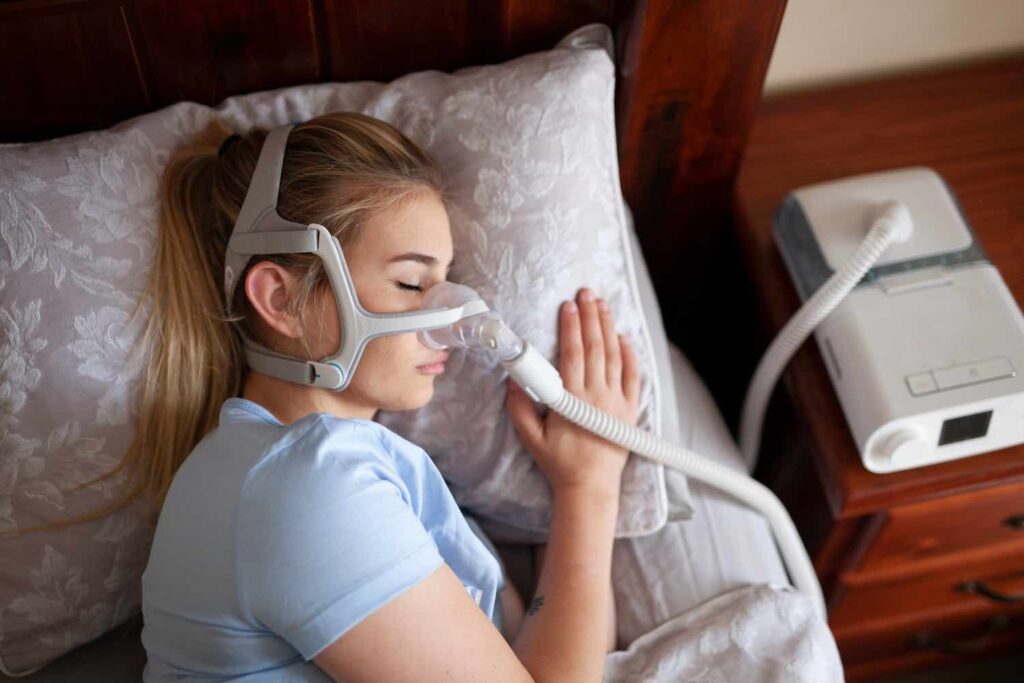
What should they do if the sound is still disrupting sleep?
They should treat it like a bedroom comfort problem with a step-by-step approach. Start with the easy wins, then escalate to supplier support.
A practical order that often works:
- Move the unit further from the bed.
- Add a vibration mat and ensure a stable surface.
- Check tubing connections and replace worn cannulas.
- Add soft furnishings or masking noise.
- Contact the Australian supplier to inspect servicing, filters, and performance.
For many households, these changes are enough for an EverFlo oxygen concentrator during sleep to fade into the background.
Is an EverFlo oxygen concentrator during sleep generally considered “sleep-friendly”?
Yes, for most people it is. The sound is usually steady, predictable, and easier to adapt to than irregular noises.
The biggest factor is the bedroom setup and how sensitive they are to sound. With good placement and simple vibration control, an EverFlo oxygen concentrator during sleep is often compatible with solid, uninterrupted rest.