Many Australians live with poor sleep for years and assume it is normal. If symptoms point to a sleep disorder, a sleep test can give clear answers and a path to better rest.
A practical way to start is to look for patterns: loud snoring, breathing changes, daytime sleepiness, and safety risks. If those show up often, it may be time to ask how to tell if you need a sleep test.
What is a sleep test, and what can it diagnose?
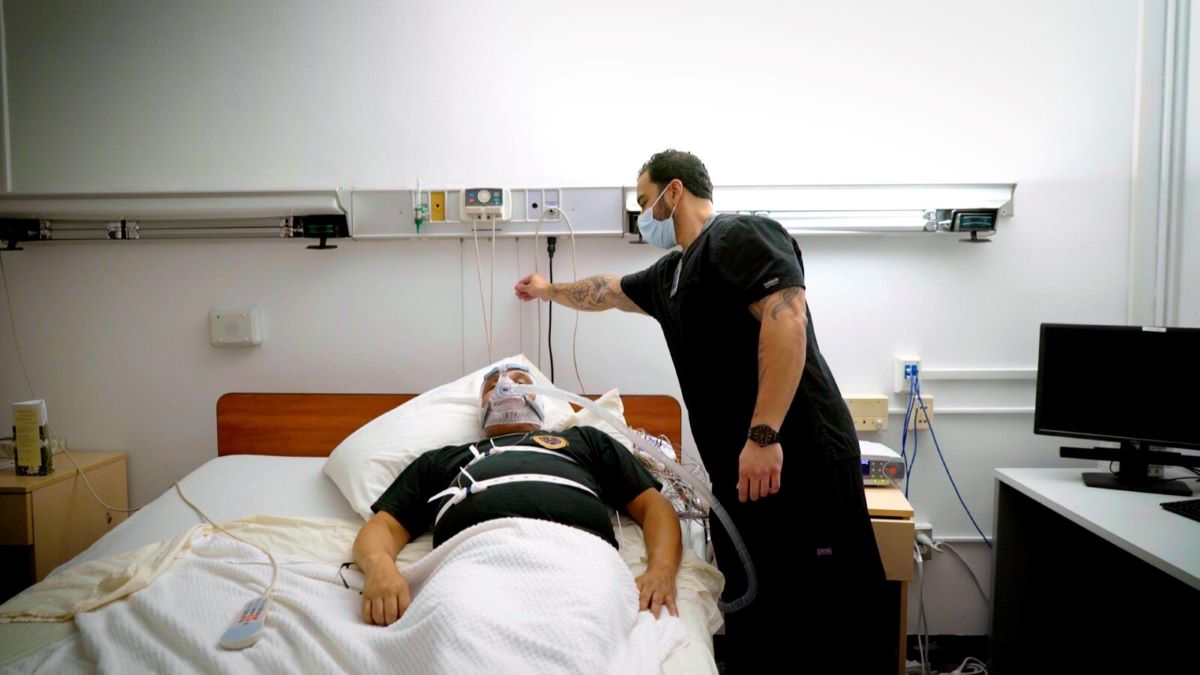
A sleep test records breathing, oxygen levels, heart rate, movement, and sleep stages to identify sleep disorders. It most commonly helps diagnose obstructive sleep apnoea, but it can also assess insomnia, restless legs, and other issues depending on the study type.
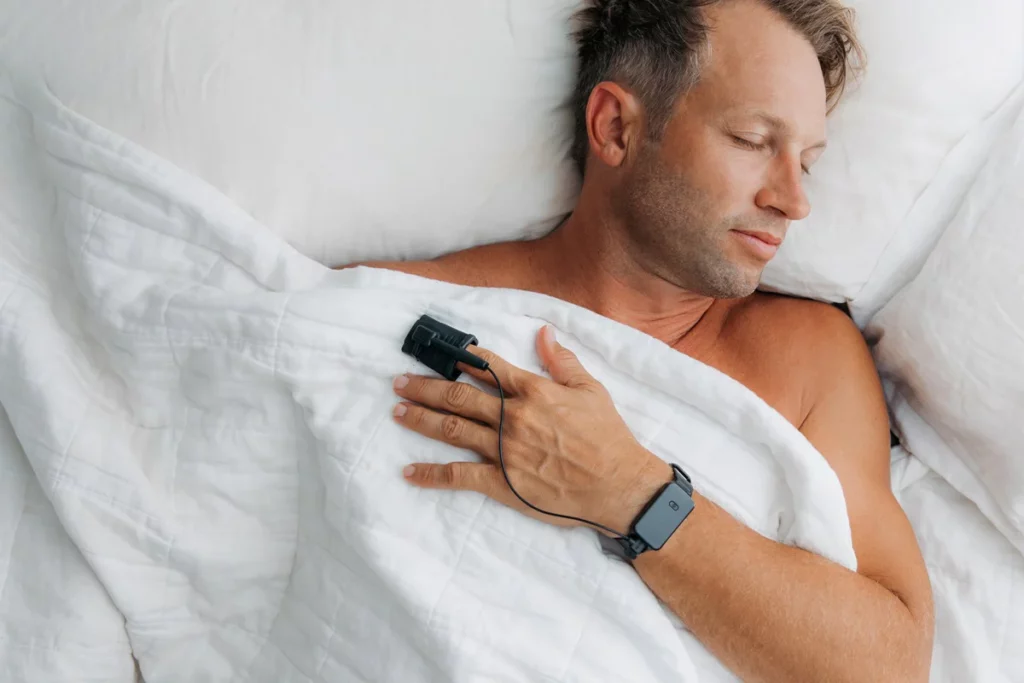
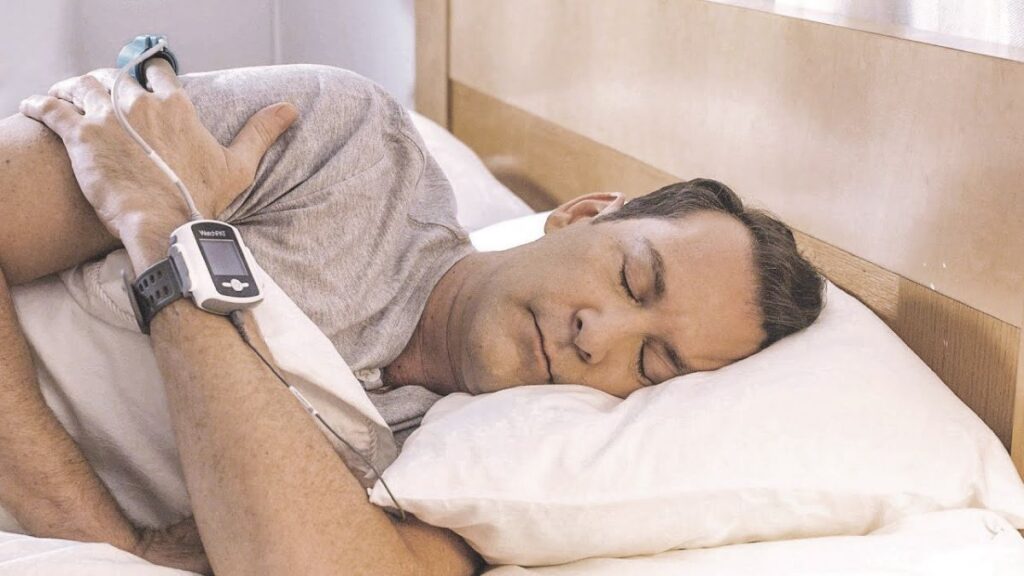
In Australia, testing is usually done either at home with portable equipment or overnight in a sleep laboratory. A GP can refer them to a sleep physician or sleep service for the most suitable option.
How can they tell if snoring is a warning sign?
Snoring becomes a concern when it is loud, frequent, and linked with disturbed breathing. If they snore most nights and their partner reports pauses, gasping, or choking sounds, that is a strong sign to investigate.
Snoring alone does not confirm sleep apnoea, but it is one of the most common clues. For many people, the key question is how to tell if you need a sleep test when snoring seems “normal” in the household.
What breathing symptoms suggest sleep apnoea?
The clearest red flags are witnessed breathing pauses, waking short of breath, and morning headaches linked to low oxygen overnight. They may also wake with a dry mouth, sore throat, or feel unrefreshed even after a full night in bed.
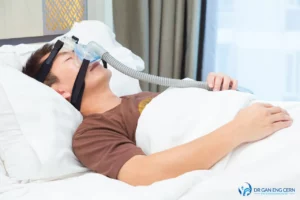
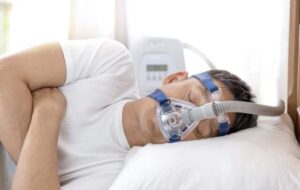
If these symptoms happen regularly, a sleep test can measure breathing events and oxygen drops. This is often the most direct way to confirm whether treatment like CPAP is likely to help.
When does daytime tiredness become a medical issue?
Daytime sleepiness is more than feeling a bit flat in the afternoon. If they struggle to stay awake in meetings, on public transport, or while watching telly, their sleep may not be restorative.
A major safety sign is drowsy driving, which is a serious risk on Australian roads. If they have ever nodded off at the wheel or needed frequent stops to stay alert, it strongly supports how to tell if you need a sleep test sooner rather than later.
Could mood, focus, or memory problems be linked to sleep?
Yes. Poor sleep can affect concentration, decision-making, and emotional regulation. They may feel unusually irritable, anxious, or low, and find it harder to focus at work or study.
While mental health conditions can cause sleep problems too, persistent cognitive or mood changes alongside snoring or breathing symptoms are worth discussing with a GP. A sleep test can help separate sleep-related causes from other drivers.
What physical health conditions make a sleep test more urgent?
Some health conditions increase the likelihood of sleep apnoea and raise the stakes if it is left untreated. These include high blood pressure, type 2 diabetes, heart disease, atrial fibrillation, stroke history, and obesity.
If they have any of these conditions plus symptoms like snoring or daytime sleepiness, a sleep test is often recommended. This is a common clinical pathway in Australian general practice and cardiology clinics.
How do they know if insomnia needs testing?
If the main complaint is difficulty falling asleep or staying asleep, a sleep test is not always the first step. However, it may be useful when insomnia is long-lasting, complex, or possibly masking another disorder like sleep apnoea or periodic limb movements.
Clues include waking often with a racing heart, sweating, or breathlessness, or having insomnia plus loud snoring. In those cases, the question of how to tell if you need a sleep test becomes relevant even when “insomnia” is the label.
What signs point to restless legs or unusual night movements?
Restless legs syndrome can cause an irresistible urge to move the legs, often worse in the evening and relieved by movement. Periodic limb movements can also fragment sleep without them realising, leaving them tired during the day.
If they or their partner notice repetitive kicking, twitching, or frequent brief awakenings, a sleep test may help document the pattern. A GP may also check iron levels and medication factors, which are common contributors.
When should they consider a sleep test for children or teenagers?
Children can also have sleep apnoea, often linked to enlarged tonsils and adenoids, nasal blockage, or weight gain. Signs include loud snoring, restless sleep, bedwetting, behavioural issues, learning problems, and daytime sleepiness.
Parents who are unsure how to tell if you need a sleep test for a child should start with a GP, who may refer to a paediatric sleep service or ENT specialist. Early assessment can make a big difference at school and home.
Should they choose an at-home test or an in-lab study?
An at-home sleep test is often used in Australia when obstructive sleep apnoea is strongly suspected and the person is otherwise medically stable. It is typically simpler and more convenient, but it records fewer channels than a lab study.
An in-lab polysomnography study may be preferred for complex cases, significant heart or lung disease, suspected seizures, narcolepsy, or when home testing is inconclusive. A sleep physician can advise the best match based on symptoms and history.
How do they talk to a GP about sleep symptoms?
They should bring specific examples rather than a general statement like “they feel tired.” Useful details include how often they snore, whether anyone has witnessed breathing pauses, morning headache frequency, unplanned naps, and any near-misses while driving.
It helps to track sleep for one to two weeks: bedtimes, wake times, alcohol intake, and how they feel during the day. Clear information makes it easier for the GP to decide how to tell if you need a sleep test and which type is appropriate.
What happens after the results, and what treatments might follow?
Results typically classify the problem and its severity, which guides treatment. For sleep apnoea, options may include CPAP therapy, weight management, reducing alcohol, side-sleeping strategies, mandibular advancement splints via a dentist, or surgery in selected cases.
If the study points to insomnia without breathing issues, treatment may focus on CBT-I, sleep scheduling, and addressing stress or underlying health problems. A clear diagnosis prevents guesswork and helps them commit to the right plan.
What are the most common “yes” answers that suggest they need testing?
If they answer “yes” to several of the points below, it is reasonable to ask a GP about a sleep test:
- They snore loudly most nights
- Someone has seen them stop breathing, gasp, or choke in their sleep
- They wake unrefreshed, with headaches, or with a dry mouth
- They feel excessively sleepy during the day
- They have drowsy driving episodes or workplace safety risks
- They have high blood pressure or other cardiometabolic conditions
For many households, this checklist is the simplest way to decide how to tell if you need a sleep test without overthinking it.
How can they take the next step in Australia?
They can start with a GP appointment and describe symptoms clearly, including any partner observations. From there, the GP may organise a referral to a sleep physician, a local sleep clinic, or a home testing provider, depending on the situation and location.
Waiting until symptoms are severe can increase health and safety risks. If they are still unsure how to tell if you need a sleep test, the safest approach is to raise the concern early and let a clinician guide the decision.
More to Read : Why Sleep Testing Hobart Is Rarely a DIY Job
FAQs (Frequently Asked Questions)
How can I tell if I need a sleep test?
If you experience frequent loud snoring, witnessed breathing pauses during sleep, daytime sleepiness affecting your daily activities, or safety concerns like drowsy driving, these are strong signs that you may need a sleep test to diagnose potential sleep disorders.
What is involved in a sleep test and what conditions can it diagnose?
A sleep test records your breathing, oxygen levels, heart rate, movement, and sleep stages overnight. It primarily helps diagnose obstructive sleep apnoea but can also assess insomnia, restless legs syndrome, and other sleep-related issues depending on the study type.
When should snoring be considered a warning sign requiring further investigation?
Snoring becomes a concern when it is loud, frequent (most nights), and accompanied by disturbed breathing such as pauses, gasping, or choking sounds reported by a partner. These signs suggest the need for further assessment through a sleep test.
What daytime symptoms indicate that poor sleep might be a medical issue?
Daytime symptoms like struggling to stay awake during meetings or public transport, frequent unplanned naps, and especially drowsy driving are serious indicators that your sleep may not be restorative and warrant evaluation with a sleep test.
Can mood, focus, or memory problems be linked to poor sleep?
Yes. Poor quality sleep can impair concentration, decision-making, emotional regulation and may cause irritability or anxiety. If these cognitive or mood changes occur alongside snoring or breathing issues during sleep, discussing them with your GP is important to determine if a sleep test is needed.
Who should consider an at-home versus an in-lab sleep study in Australia?
At-home sleep tests are suitable for individuals suspected of having obstructive sleep apnoea who are otherwise medically stable. In-lab polysomnography is recommended for complex cases involving significant heart or lung disease, suspected seizures or narcolepsy, or when home testing results are inconclusive. A sleep physician can advise the best option based on your symptoms and health history.