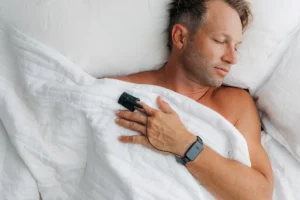

Trying to “self-diagnose” sleep issues sounds appealing because it feels private, quick, and cheap. In reality, most sleep complaints involve medical risk, messy data, and more than one possible cause.
That is why sleep testing Hobart is rarely a DIY job. Good testing is less about buying a gadget and more about collecting accurate signals, interpreting them correctly, and turning them into safe treatment decisions.
Why do people assume they can test sleep at home?
They assume sleep is simple: track a few nights, spot a pattern, and fix it. That belief is fuelled by wearable sleep scores, snoring apps, and online checklists.
The problem is that sleep symptoms overlap. Snoring, fatigue, insomnia, and morning headaches can point to multiple conditions, and DIY tools often cannot tell them apart with enough certainty to guide treatment.
What can go wrong if someone guesses their diagnosis?
They can treat the wrong problem and miss the real one. For example, they might blame stress for months of exhaustion when obstructive sleep apnoea is actually causing repeated oxygen drops overnight.
Worse, they can underestimate risk. Untreated sleep-disordered breathing is linked with higher crash risk on Tasmanian roads and can interact with heart and metabolic health, especially when combined with alcohol, sedatives, or shift work.
What does proper sleep testing actually measure?
It measures more than “time asleep.” Quality testing looks at breathing effort, airflow, oxygen saturation, heart rate, body position, and snoring, then matches these to sleep events.
In many cases, clinicians also need context such as medications, alcohol intake, nasal obstruction, and typical sleep schedules. This is a key reason sleep testing Hobart tends to sit within a clinical process rather than a standalone gadget result.
Why are consumer wearables and apps often misleading?
They are built for trends, not diagnosis. Many rely on movement and heart rate patterns to guess sleep stages, but they cannot reliably detect apnoeas, hypopnoeas, or clinically significant oxygen desaturations.
They can still be useful for spotting routines, but “low sleep score” does not equal a disorder, and “good sleep score” does not rule one out. That gap matters when people use DIY results to skip sleep testing Hobart through a provider.
How does a DIY approach miss the real causes of snoring and fatigue?
Snoring can come from anatomy, alcohol, nasal congestion, sleep position, or sleep apnoea. Fatigue can come from insufficient sleep, restless legs, circadian rhythm issues, depression, iron deficiency, or breathing disorders.
DIY testing often latches onto the most obvious symptom and ignores co-existing problems. A formal pathway around sleep testing Hobart is designed to separate these possibilities rather than assume a single cause.
What makes the data hard to collect correctly at home?
Even home sleep tests need correct setup and good signal quality. Sensors can slip, airflow cannulas can kink, and oximeters can read poorly if circulation is low or the probe is loose.
Many people also change their sleep behaviour when they feel monitored. If the data is noisy or unrepresentative, the result can be falsely reassuring or falsely alarming, which is the opposite of what sleep testing Hobart is meant to achieve.
Who is most at risk if they try to self-test?
People with loud habitual snoring, witnessed breathing pauses, significant daytime sleepiness, high blood pressure, type 2 diabetes, or a history of atrial fibrillation are at higher risk. So are commercial drivers, machine operators, and anyone who has had near misses while driving.
For these groups, “wait and see” can be dangerous. Clinician-led sleep testing Hobart is typically recommended because the consequences of missing moderate to severe sleep apnoea are serious. Check out more about Clinical consequences and economic costs of untreated obstructive sleep apnea syndrome.
Why is interpreting results not a simple pass or fail?
Sleep disorders exist on a spectrum. Apnoea severity, oxygen drops, event clustering in REM sleep, and positional effects all change management, even if the headline number looks mild.
Interpretation also depends on symptoms. Two people can have a similar index but very different risk profiles and treatment needs. That judgement call is a major reason sleep testing Hobart is rarely appropriate as a DIY exercise.
See Also : How to Tell If You Need a Sleep Test
How do clinicians decide which test is appropriate?
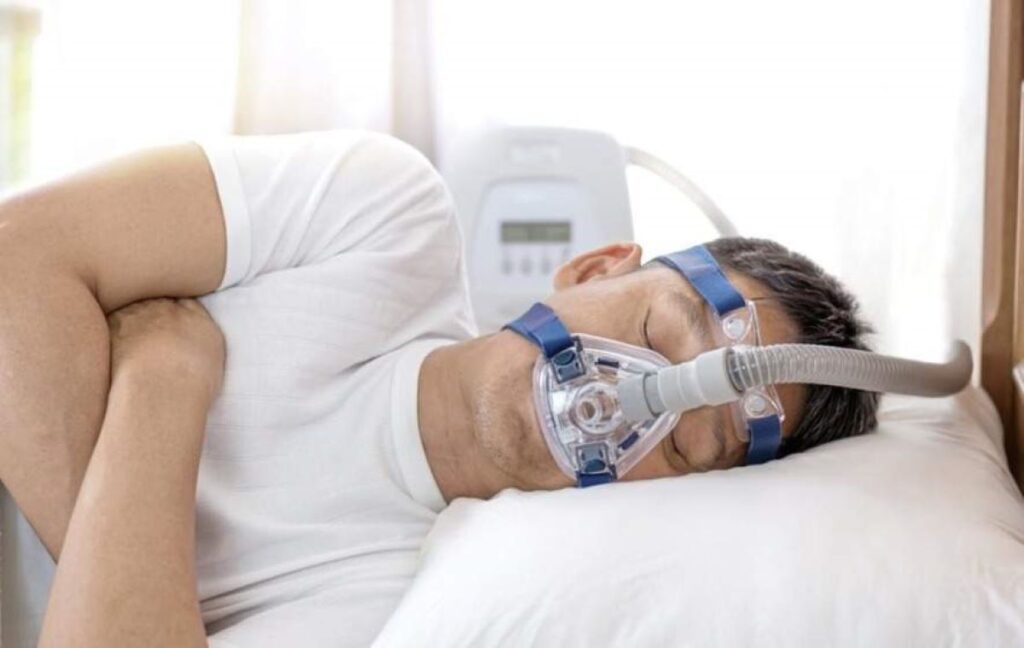
They match the test to the suspected condition and the person’s risk. Some people suit a home sleep apnoea test, while others need an in-lab study to capture sleep stages, limb movements, and complex breathing patterns.
They also screen for “red flags” that make home-only testing risky or insufficient. This triage is part of responsible sleep testing Hobart, not an optional extra.
What is the difference between a home sleep test and an in-lab study?
A home test usually focuses on breathing and oxygen signals to assess sleep apnoea. An in-lab polysomnography can record brain activity, eye movements, muscle tone, breathing, heart rhythm, and limb movement to diagnose a wider range of conditions.
People often assume home always means “less accurate.” In truth, it is about suitability. Choosing correctly is where a sleep testing Hobart provider adds value.
Why can DIY fixes make sleep apnoea worse?
Some common “sleep hacks” can backfire. Alcohol and sedatives can relax airway muscles and worsen obstruction. Mouth taping can be unsafe if nasal breathing is compromised. Over-the-counter sleep aids can mask sleepiness without addressing the cause.
Even weight loss advice, while generally beneficial, does not replace assessment when symptoms are strong. Proper sleep testing Hobart helps ensure changes are safe and targeted.
How do comorbidities complicate a self-guided approach?
Conditions like asthma, COPD, heart failure, chronic pain, and mental health concerns can change sleep architecture and breathing patterns. Medications, including opioids and some antidepressants, can alter respiration and alertness.
In these cases, a simple snoring app is nowhere near enough. Clinician-guided sleep testing Hobart is used to avoid missing complex sleep-disordered breathing or overlapping insomnia and anxiety patterns.
What about kids and teenagers in Hobart, can parents DIY it?
Parents can track sleep routines and note symptoms, but diagnosis should not be DIY. Paediatric sleep issues can involve enlarged tonsils, developmental factors, and behavioural sleep problems that require careful assessment.
Children are not small adults, and treatment pathways differ. If there are breathing pauses, restless sleep, bedwetting with snoring, or daytime behavioural changes, proper sleep testing Hobart through suitable paediatric channels is the safer path.
Why does treatment depend on the quality of the initial test?
Treatments such as CPAP, oral appliances, positional therapy, and surgery decisions depend on event type, severity, and pattern. Poor testing can lead to the wrong option, wasted money, and ongoing symptoms.
Good testing also provides a baseline to judge improvement. This is one practical reason sleep testing Hobart tends to be done with clinical oversight rather than as a one-off DIY experiment.
How does a professional pathway reduce cost and frustration over time?
It reduces the loop of buying multiple gadgets, trying random supplements, and chasing contradictory online advice. A structured process aims to get to the cause, then confirm whether treatment is working.
Many people only realise the hidden cost of DIY after months of poor sleep and reduced daytime performance. A clear plan around sleep testing Hobart can be faster overall, even if it feels more formal at the start.
What should someone do before booking sleep testing?
They should document symptoms for two weeks: bedtime and wake time, naps, caffeine, alcohol, snoring reports, and daytime sleepiness. They should also list medications and any safety concerns like drowsy driving.
This information helps a clinician choose the right test and interpret it properly. It also makes sleep testing Hobart more efficient because the results are anchored to real-life patterns.
How can they choose a reputable sleep testing provider in Hobart?
They should look for clear medical oversight, transparent pricing, and a process that includes follow-up rather than just a report. They should also check whether the provider explains what the test can and cannot diagnose.
A reputable service will discuss suitability for home versus in-lab testing and will not overpromise. That level of care is what most people actually need from sleep testing Hobart.
What is the simplest takeaway?
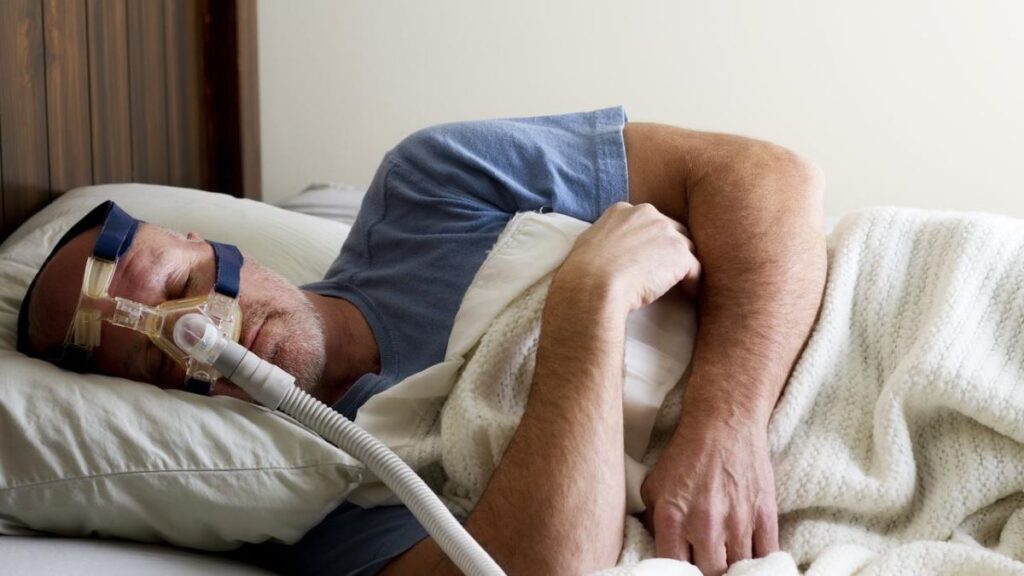
DIY tools can highlight habits, but they rarely provide a safe diagnosis. When symptoms are persistent, disruptive, or risky, proper assessment and interpretation matter more than a sleep score.
That is why sleep testing Hobart is rarely a DIY job: accurate signals, correct test selection, and clinical interpretation are what turn sleep data into real, lasting improvement.
FAQs (Frequently Asked Questions)
Why is self-diagnosing sleep issues often unreliable?
Self-diagnosing sleep problems is unreliable because most sleep complaints involve complex medical risks and multiple possible causes. Symptoms like snoring, fatigue, and insomnia overlap across different conditions, making DIY tools insufficient for accurate diagnosis and safe treatment decisions.
What are the risks of guessing a sleep disorder diagnosis without professional testing?
Guessing a diagnosis can lead to treating the wrong problem while missing serious conditions such as obstructive sleep apnoea. Untreated sleep-disordered breathing increases risks like road accidents and can adversely affect heart and metabolic health, especially when combined with alcohol, sedatives, or shift work.
What does proper sleep testing in Hobart measure beyond just sleep duration?
Proper sleep testing measures breathing effort, airflow, oxygen saturation, heart rate, body position, and snoring events. Clinicians also consider context such as medications, alcohol intake, nasal obstruction, and typical sleep schedules to provide an accurate diagnosis within a clinical process.
Why are consumer wearables and apps not sufficient for diagnosing sleep disorders?
Consumer wearables and apps primarily track movement and heart rate to estimate sleep stages but cannot reliably detect apnoeas, hypopnoeas, or significant oxygen desaturations. While useful for spotting routines, their results do not replace professional sleep testing needed for accurate diagnosis.
Who should avoid self-testing and seek clinician-led sleep testing in Hobart?
Individuals with loud habitual snoring, witnessed breathing pauses, significant daytime sleepiness, high blood pressure, type 2 diabetes, atrial fibrillation history, commercial drivers, machine operators or those with near misses while driving should seek clinician-led testing due to higher risk of serious consequences from undiagnosed conditions.
How do clinicians determine the appropriate type of sleep test for a patient?
Clinicians select tests based on the suspected condition and patient risk factors. Some patients may be suitable for home sleep apnoea tests focusing on breathing signals; others require in-lab polysomnography to capture brain activity and complex patterns. This triage ensures accurate diagnosis and safety during sleep testing in Hobart.